
Correcting crooked teeth and jaw misalignment is one of the most frequently performed orthodontic treatments.
Beyond appearance, straighter teeth contribute significantly to long-term dental wellness and bite stability.
Your journey starts with a thorough evaluation—your orthodontist will conduct a visual exam, capture digital scans, take panoramic x-rays, and create dental impressions to map your unique anatomy.
The findings guide the development of a personalized treatment strategy tailored to your age, severity of misalignment, and 表参道 歯列矯正 lifestyle.
After your plan is finalized, you’ll choose the type of orthodontic appliance that best fits your goals and daily routine.
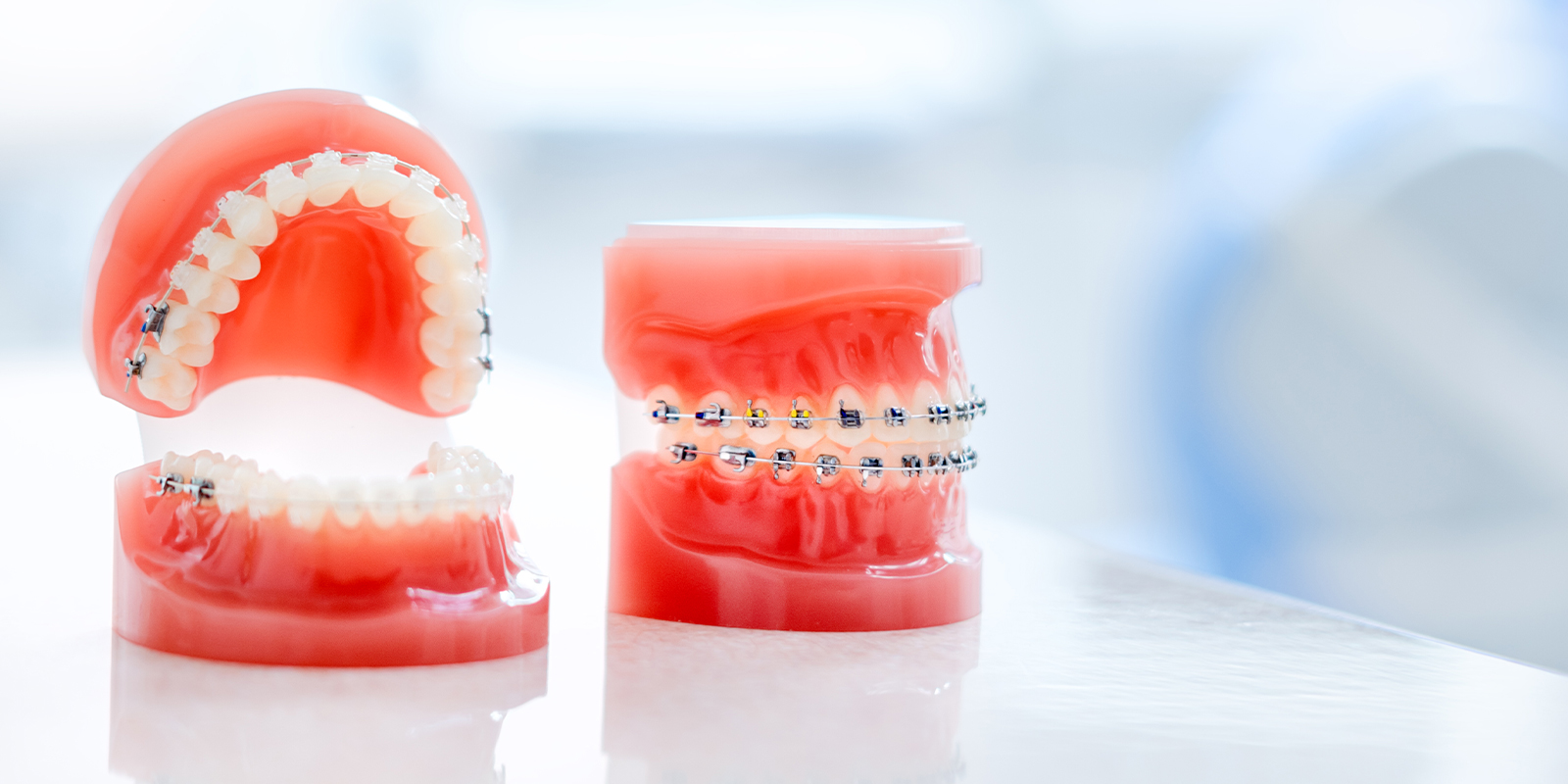
Classic stainless steel braces remain a top choice—small metal brackets are bonded to each tooth, linked by archwires that apply gentle, continuous pressure to move teeth into position.
For those seeking a less noticeable alternative, ceramic braces use tooth-colored brackets that blend naturally with enamel, maintaining the same precise force delivery as metal systems.
Clear aligners such as Invisalign are another popular choice.
These are custom made removable trays that are changed every one to two weeks to slowly shift the teeth into place.
Each option has its own benefits and considerations regarding comfort appearance and maintenance.
Mild crowding may resolve in under a year, while severe malocclusions or jaw discrepancies often require longer, multi-phase care.
Your orthodontist will provide a realistic estimate based on your diagnosis and treatment goals.
You’ll typically return every 4 to 8 weeks for checkups, wire changes, or new aligner sets.
Poor hygiene can lead to decalcification, cavities, and gingivitis, prolonging your treatment timeline.
Brushing and flossing become even more critical to prevent plaque buildup and tooth decay.
Special tools may be recommended to clean around braces or aligners properly.
Without retention, teeth naturally tend to drift back to their original places.
Your orthodontist will tailor the schedule based on your individual risk of relapse.
Failure to wear your retainer as directed is the leading cause of post-treatment shifting.
Some patients wear retainers nightly indefinitely to maintain long-term stability.
Teeth alignment is not just about achieving a straighter smile.
It can improve chewing speaking and breathing.
Properly positioned teeth distribute biting forces evenly, preventing excessive wear, TMJ strain, and gum recession.
Digital workflows and 3D printing have drastically reduced treatment time and improved precision.
Patience and consistency are key to successful results.
Adhering to your treatment plan, avoiding hard or sticky foods, and communicating any concerns promptly leads to optimal results.
